
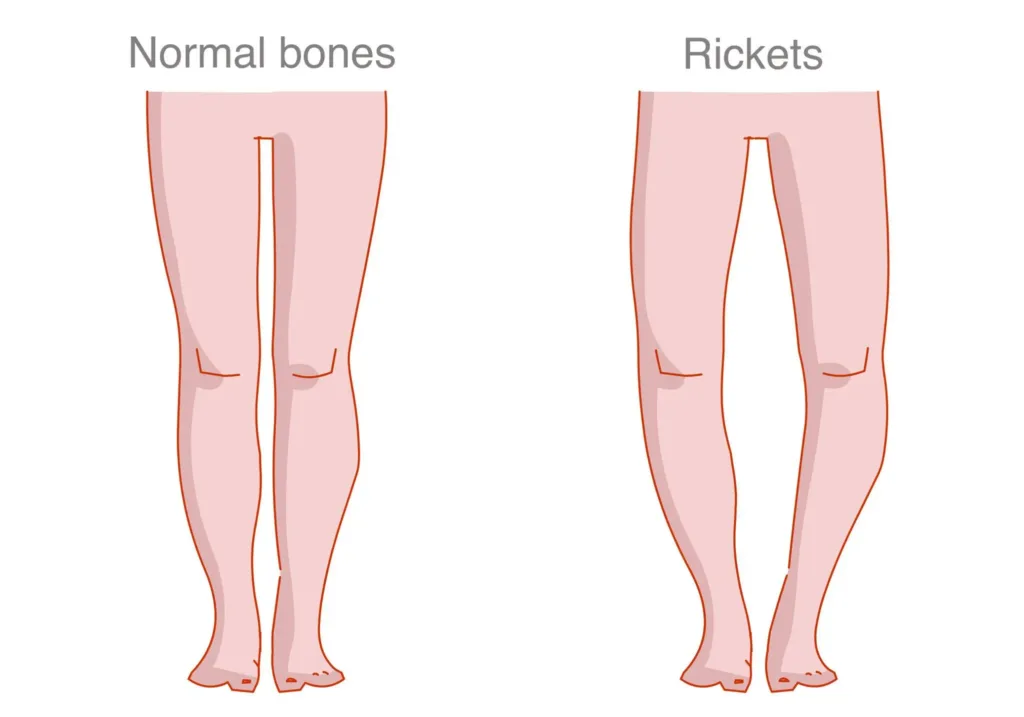
Rickets is a condition that affects bone development in children, causing bones to become soft, weak, and more likely to develop deformities. One of the most common causes of rickets is a deficiency of vitamin D. In some cases, low calcium or phosphorus levels can also contribute to the condition.
Vitamin D plays an important role in helping the body absorb calcium and maintain healthy bones. When a child does not get enough vitamin D or cannot properly absorb or use it, normal bone mineralisation may be affected. This can lead to problems with bone growth and development.
Recognising the signs of rickets early is important because appropriate diagnosis and treatment can help improve bone health and reduce the risk of long-term complications. In this blog, we explain the causes, symptoms, diagnosis, treatment, and prevention of rickets in children.
What Is Rickets?
Rickets is a bone disorder that primarily affects children whose bones are still growing. It occurs when developing bones do not receive or use enough minerals, particularly calcium and phosphorus, to become properly hardened.
Vitamin D helps the body absorb calcium from food. If vitamin D levels are too low, the body may struggle to maintain the mineral levels needed for healthy bone development.
Rickets is most commonly associated with vitamin D deficiency, but it can also result from insufficient calcium intake, certain inherited conditions, or medical problems that affect nutrient absorption or the body’s handling of minerals.
In adults, a related condition called osteomalacia causes bones to become inadequately mineralised. Although both conditions affect bone health, rickets occurs in growing bones, whereas osteomalacia affects mature bones.
What Causes Rickets?
Several factors can contribute to the development of rickets. Identifying the underlying cause helps healthcare professionals determine the most appropriate treatment.
1. Vitamin D Deficiency
Vitamin D is essential for calcium absorption and healthy bone development. Children who do not receive enough vitamin D may be at increased risk of developing rickets.
Low vitamin D levels may be associated with inadequate dietary intake, limited exposure to sunlight, certain medical conditions, or difficulties absorbing nutrients.
2. Insufficient Calcium Intake
Calcium is one of the main minerals that gives bones their strength. If a child’s diet does not provide enough calcium, normal bone development may be affected. Rickets can occur due to inadequate calcium intake, even when vitamin D deficiency is not the only contributing factor.
3. Limited Sunlight Exposure
The body can produce vitamin D when skin is exposed to sunlight. However, vitamin D production varies depending on factors such as skin pigmentation, clothing, season, location, and time spent outdoors.
Sunlight exposure alone does not guarantee adequate vitamin D levels. Children who may be at risk should receive appropriate nutritional guidance from a healthcare professional.
4. Problems With Nutrient Absorption
Some digestive and intestinal conditions can interfere with the absorption of vitamin D, calcium, or other nutrients needed for healthy bones. Children with these conditions may require medical assessment and individualised nutritional management.
5. Inherited or Other Medical Conditions
Certain uncommon genetic conditions can affect how the body processes vitamin D or regulates phosphate. Kidney or liver disorders may also interfere with bone mineralisation.
In these situations, treatment depends on the underlying condition rather than vitamin supplementation alone.
What Are the Symptoms of Rickets?
The symptoms of rickets can vary depending on the child’s age, the severity of the condition, and the underlying cause. Some children may initially have few noticeable symptoms, while others develop changes in bone growth or movement.
Common signs and symptoms may include:
- Delayed growth: A child may grow more slowly than expected.
- Bone pain or tenderness: Discomfort may occur in the legs, arms, spine, or other affected areas.
- Bowing of the legs: The legs may curve outward as a child begins to stand or walk.
- Muscle weakness: The child may have difficulty with activities that require normal muscle strength.
- Delayed motor development: Some children may take longer to sit, stand, or walk.
- Changes in bone shape: The wrists or ankles may appear enlarged, or the chest or spine may develop abnormalities.
- Dental problems: Defective tooth enamel or delayed tooth development may occur in some children.
In severe cases, rickets can lead to significant bone deformities, fractures, or other complications. These signs can also have causes unrelated to rickets, so a medical evaluation is important.
How Is Rickets Diagnosed?
If a child shows signs that may suggest rickets, a healthcare professional will assess the child’s symptoms, growth, nutrition, medical history, and physical development.
Depending on the findings, investigations may include:
Medical History and Physical Examination
The doctor may ask about the child’s diet, growth pattern, developmental milestones, medical history, and any symptoms such as bone pain or muscle weakness. A physical examination may help identify possible changes in bone shape or development.
Blood Tests
Blood tests may be used to assess vitamin D, calcium, phosphate, alkaline phosphatase, and other relevant markers. Additional tests may be required depending on the suspected cause.
X-rays
X-rays may help identify changes in bone growth and mineralisation associated with rickets. The need for imaging depends on the child’s symptoms and clinical assessment.
Not every child requires all these investigations. The healthcare professional will decide which tests are appropriate based on the individual situation.
Treatment of Rickets
Treatment for rickets depends on its cause, severity, the child’s age, and the results of medical investigations. The main aim is to correct nutritional deficiencies where present and support healthy bone development.
1. Vitamin D Supplementation
When rickets is caused by vitamin D deficiency, a doctor may prescribe vitamin D supplements. The dose and duration depend on the child’s age, the severity of the deficiency, and the treatment plan.
Parents should not give high-dose vitamin D supplements without medical guidance, as excessive vitamin D can be harmful.
2. Calcium Supplementation
If a child has insufficient calcium intake or a calcium deficiency, the doctor may recommend calcium supplementation alongside dietary changes. The treatment plan should be based on the child’s nutritional needs and clinical findings.
3. Dietary Improvements
A balanced diet can help support recovery and maintain bone health. Depending on the child’s age and dietary needs, sources of calcium may include milk, yoghurt, cheese, and suitable fortified foods.
Vitamin D can be obtained from certain foods, including oily fish, egg yolks, and fortified products. However, food alone may not correct an established deficiency in every child.
4. Treatment of the Underlying Cause
If rickets is associated with a digestive disorder, kidney condition, inherited disease, or another medical problem, additional treatment may be needed.
Children with these conditions may require specialist evaluation and follow-up to monitor bone development and treatment response.
5. Monitoring Growth and Bone Health
Follow-up appointments help the doctor assess symptoms, growth, and the response to treatment. Depending on the underlying cause, repeat blood tests or imaging may be recommended.
With timely diagnosis and appropriate treatment, many children with nutritional rickets improve. However, recovery and the possibility of lasting bone changes depend on the severity, cause, and duration of the condition.
How Can Rickets Be Prevented?
Although not every form of rickets can be prevented through lifestyle changes alone, several measures can help reduce the risk of nutritional rickets.
Provide a Balanced Diet
Offer age-appropriate meals that provide adequate calcium, vitamin D, and other nutrients needed for healthy growth. Children with restricted diets or specific nutritional needs may benefit from advice from a qualified healthcare professional.
Follow Vitamin D Guidance
Infants and children may need vitamin D supplementation depending on their age, diet, feeding pattern, and local health recommendations. Ask a healthcare professional what is appropriate for your child rather than choosing a dose independently.
Encourage Healthy Outdoor Activity
Outdoor activity supports children’s overall health. However, safe sunlight exposure varies between individuals and does not replace medical advice about vitamin D intake or supplementation.
Attend Regular Health Check-Ups
Routine child health visits can help monitor growth and development. If a child has poor growth, bone pain, muscle weakness, or changes in walking, discuss these symptoms with a healthcare professional.
Address Medical Conditions Early
Children with conditions that affect nutrient absorption or mineral metabolism may need additional monitoring. Following the recommended care plan can help manage the underlying condition and protect bone health.
When Should You Consult a Doctor?
Parents should arrange a medical assessment if a child experiences persistent bone pain, unusual leg curvature, delayed growth, muscle weakness, delayed motor development, or other concerns about bone health.
Seek prompt medical advice if these symptoms appear or worsen. Early evaluation can help determine whether rickets or another condition is responsible and whether treatment is required.
Do not start high-dose vitamin D or calcium supplements without professional guidance, as the appropriate amount varies with age, nutritional status, and medical needs.
Conclusion
Rickets is a condition that affects the development and strength of growing bones. Vitamin D deficiency is a common cause, but inadequate calcium intake and certain medical conditions can also contribute.
Recognising symptoms such as bone pain, muscle weakness, delayed growth, or changes in leg shape can help parents seek timely medical advice. Appropriate diagnosis, treatment of the underlying cause, balanced nutrition, and recommended follow-up can support healthy bone development.
If you are concerned about your child’s growth or bone health, consult a qualified healthcare professional for an assessment and personalised guidance.