
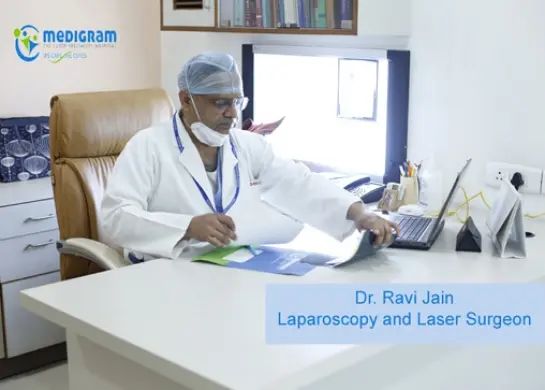
Laser in proctology is a surgical approach that uses focused laser energy to treat certain conditions affecting the anal and surrounding regions. Depending on the diagnosis, laser-based procedures may be considered for conditions such as piles (haemorrhoids), anal fissures, fistulas and pilonidal sinus.
These conditions can cause pain, bleeding, swelling, discharge and discomfort during everyday activities. Laser procedures may offer benefits for selected patients, but the appropriate treatment depends on the type and severity of the condition.
What Is Laser Surgery?
Laser surgery uses concentrated light energy to cut, coagulate or treat targeted tissue. In selected surgical procedures, it can help manage abnormal tissue while limiting damage to surrounding areas.
The suitability of laser treatment depends on the condition being treated, the technique used and the patient’s overall health. It is not necessarily the best option for every anorectal condition.
What Is Proctology?
Proctology is a field of medicine and surgery concerned with conditions affecting the anus, rectum and surrounding area. Common conditions include:
- Piles (haemorrhoids): Swollen blood vessels in and around the anus that may cause bleeding, discomfort or a protruding lump.
- Anal fissure: A small tear in the lining of the anal canal that can cause pain and bleeding during bowel movements.
- Anal fistula: An abnormal tunnel connecting the anal canal to the skin near the anus, which may cause recurring discharge or infection.
- Pilonidal sinus: A small tunnel or cavity in the skin, usually near the tailbone, that may become infected and cause pain or discharge.
Treatment depends on the diagnosis, symptoms and severity of the condition.
How Is Laser Treatment Used in Proctology?
Laser techniques can be used differently for different conditions. A specialist evaluates the problem before recommending a suitable procedure.
1. Laser Treatment for Piles
Piles can cause rectal bleeding, itching, discomfort and swelling. In selected cases, laser techniques may help reduce the blood supply to haemorrhoidal tissue, allowing the affected tissue to shrink over time.
The choice of treatment depends on the size, location and severity of the piles. Dietary changes, adequate fibre intake, hydration and other non-surgical treatments may be sufficient for some patients.
2. Laser Treatment for Anal Fissures
An anal fissure is a tear in the anal lining that may cause sharp pain during bowel movements and discomfort afterward.
Many fissures improve with conservative treatment, including measures to soften stools and prescribed medicines. Surgery may be considered for persistent or chronic fissures. Laser treatment is not routinely required for every fissure, and the appropriate procedure depends on the patient’s condition and the specialist’s assessment.
3. Laser Treatment for Anal Fistulas
An anal fistula is an abnormal passage that can develop following an infection or abscess near the anus. Symptoms may include recurring swelling, pain and discharge.
In selected cases, a laser-based technique may be used to treat the fistula tract. The choice of procedure depends on the tract’s location, complexity and relationship to the anal sphincter muscles. Careful treatment planning is important because preserving sphincter function helps reduce the risk of bowel-control problems.
Fistulas can recur after treatment, so follow-up care may be necessary.
4. Treatment for Pilonidal Sinus
A pilonidal sinus commonly develops near the tailbone and may cause swelling, pain, infection or discharge.
Depending on the extent of the condition, treatment may involve local care, drainage of an abscess or a surgical procedure. Laser-based techniques may be suitable for selected patients, but the treatment choice depends on the sinus and whether infection is present.
Potential Benefits of Laser Procedures
For appropriately selected patients, laser-based procedures may offer certain advantages depending on the technique used.
Potential benefits can include:
- Targeted treatment: Laser energy can be directed towards specific tissue.
- Less tissue disruption in selected procedures: Some techniques may limit injury to surrounding tissue.
- Recovery considerations: Certain procedures may allow patients to return to routine activities sooner than some conventional operations.
- Hospital stay: Some procedures can be performed as day-care surgery, depending on the patient’s needs.
- Bleeding and discomfort: Some laser techniques may reduce bleeding or postoperative discomfort in suitable cases.
These benefits are not guaranteed and vary according to the condition, procedure and individual patient.
Is Laser Treatment Better Than Conventional Surgery?
Laser treatment is not automatically better than conventional surgery for every patient. Both approaches have specific uses, benefits and limitations.
The choice depends on factors such as the type of anorectal condition, its severity, previous treatment, the anatomy involved and the patient’s medical history. Conventional surgical procedures may remain the preferred option for some complex or advanced conditions.
A qualified specialist can explain the available treatment options, expected recovery, potential complications and likelihood of recurrence before a decision is made.
Recovery After Laser Treatment
Recovery varies according to the procedure performed and the condition being treated. Some patients may resume light activities relatively soon, while others need more time to recover.
General recovery guidance may include:
- Following the treating specialist’s instructions.
- Maintaining adequate hydration and a fibre-rich diet when appropriate.
- Avoiding constipation and excessive straining during bowel movements.
- Taking prescribed medicines as directed.
- Attending follow-up appointments to monitor healing.
Patients should seek medical attention if they develop significant bleeding, fever, worsening pain, increasing swelling or other concerning symptoms after a procedure.
When Should You Consult a Specialist?
Consider consulting a qualified specialist if you experience persistent rectal bleeding, pain during bowel movements, a recurring lump near the anus, ongoing discharge or repeated swelling around the anal or tailbone region.
These symptoms can have different causes and should not automatically be attributed to piles or fissures. An appropriate examination helps identify the underlying condition and determine the most suitable treatment.
Conclusion
Laser in proctology may be an option for selected patients with piles, anal fistulas and certain other anorectal conditions. Its suitability depends on the diagnosis, the complexity of the condition and the procedure being considered.
Understanding the available treatment options and discussing their benefits and limitations with a qualified specialist can help patients make informed decisions about their care.
If you are experiencing symptoms related to piles, fissures, fistulas or pilonidal sinus, consult a specialist for an appropriate evaluation and an individualised treatment plan.