
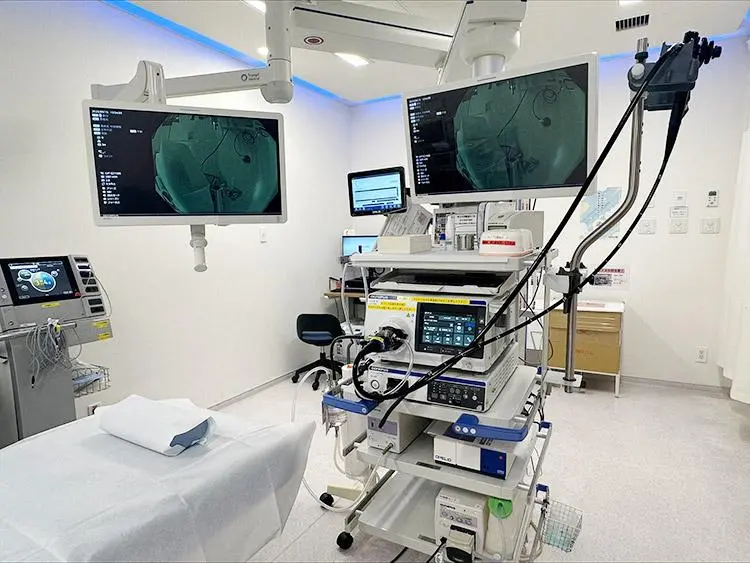
Medigram Super Speciality Hospital provides specialized diagnostic services to help clinicians investigate selected medical conditions and plan appropriate treatment. Endoscopy is an important diagnostic procedure that allows doctors to examine the inner lining of certain parts of the body using a thin, flexible instrument equipped with a camera.
At Medigram Hospital in Saharanpur, upper and lower gastrointestinal (GI) endoscopy are among the specialized diagnostic procedures listed by the hospital. Other procedures, including ERCP and bronchoscopy, may also be available when clinically indicated. The suitability and availability of each procedure should be confirmed with the treating specialist.
What Is Endoscopy?
Endoscopy is a medical procedure used to examine internal organs and body passages without requiring conventional open surgery. A doctor uses an endoscope, a narrow instrument with a light and camera, to view the area being examined.
Depending on the patient’s symptoms and medical history, endoscopy can help investigate digestive problems, identify abnormalities, and guide further medical decisions. Certain endoscopic procedures may also allow a doctor to collect tissue samples or perform specific treatments when appropriate.
The type of endoscopy recommended depends on the symptoms, suspected condition, and clinical assessment.
Types of Endoscopy and Specialized Diagnostic Procedures
1. Upper Gastrointestinal Endoscopy
Upper GI endoscopy, also known as upper digestive endoscopy, allows a doctor to examine the upper digestive tract, including the oesophagus, stomach, and the first part of the small intestine.
A specialist may recommend this procedure to investigate symptoms such as persistent upper abdominal discomfort, difficulty swallowing, recurrent vomiting, or suspected inflammation or bleeding in the upper digestive tract.
The procedure helps the doctor assess the lining of these organs and determine whether further investigation or treatment is required.
2. Lower Gastrointestinal Endoscopy
Lower GI endoscopy helps doctors examine the lower digestive tract. Depending on the clinical indication, the procedure may involve examining the large intestine using a colonoscope.
A specialist may recommend lower GI endoscopy to investigate persistent changes in bowel habits, unexplained rectal bleeding, certain abdominal symptoms, or other concerns affecting the lower digestive tract.
The preparation and instructions vary according to the specific procedure. Patients should follow the guidance provided by their treating doctor and the hospital team.
3. ERCP
Endoscopic Retrograde Cholangiopancreatography (ERCP) is a specialized procedure used to examine and, when necessary, treat certain problems involving the bile ducts and pancreatic ducts.
A specialist may consider ERCP in selected cases involving suspected duct obstruction, stones, or other conditions affecting these structures. It is different from routine diagnostic endoscopy and is generally recommended only when clinically appropriate.
Patients should consult the treating specialist to understand the reason for the procedure, its potential benefits, risks, and any available alternatives.
4. Bronchoscopy
Bronchoscopy is a procedure used to examine the airways and certain parts of the respiratory tract. A specialist may recommend it when further evaluation of selected respiratory symptoms or abnormalities is required.
The decision to perform bronchoscopy depends on the patient’s condition and the investigations already completed. Patients should discuss the procedure and the required preparation with their respiratory specialist.
When Might a Doctor Recommend Endoscopy?
Endoscopy is not necessary for every digestive or respiratory complaint. A doctor may recommend a specific procedure when symptoms, examination findings, or previous test results indicate that direct visual assessment could provide useful information.
Depending on the procedure, reasons for further investigation may include:
- Persistent digestive discomfort or unexplained abdominal symptoms.
- Difficulty swallowing or recurring vomiting.
- Suspected inflammation, ulcers, or abnormalities in the digestive tract.
- Unexplained bleeding from the digestive system.
- Persistent changes in bowel habits that require further evaluation.
- Selected conditions affecting the bile ducts or pancreatic ducts.
- Respiratory concerns that require direct examination of the airways.
These symptoms can have several possible causes. A qualified doctor should evaluate each patient and determine whether endoscopy or another investigation is appropriate.
Patient Preparation and Procedure Guidance
Preparation depends on the type of endoscopy being performed. Some procedures require fasting, while lower GI endoscopy may require a specific bowel preparation. Other instructions may apply depending on the patient’s medical history and the planned procedure.
Before the appointment, patients should:
- Inform the doctor about existing medical conditions, allergies, and previous procedures.
- Share details of all medicines and supplements they currently take, particularly blood-thinning medicines and medicines for diabetes.
- Follow the fasting and preparation instructions provided by the hospital.
- Ask whether any regular medicine needs to be adjusted before the procedure. Do not stop prescribed medicines without medical advice.
- Confirm whether an attendant is required and whether they should avoid driving after sedation.
- Bring previous prescriptions, investigation reports, and relevant medical records.
Following the clinical team’s instructions helps the patient prepare appropriately and supports a smoother diagnostic process.
Care and Guidance Before and After Endoscopy
Patient safety and clear communication are important parts of diagnostic care. Before a procedure, the treating team should explain its purpose, the preparation required, potential risks, and the next steps.
After the procedure, patients should follow the instructions provided by their doctor. Depending on the procedure and whether sedation was used, observation or assistance from an attendant may be necessary.
Patients should seek prompt medical advice if they experience concerning symptoms after the procedure, such as severe or worsening abdominal pain, significant bleeding, fever, breathing difficulty, or persistent vomiting. Severe symptoms require urgent medical assessment.
Endoscopy & Specialized Diagnostics at Medigram Hospital, Saharanpur
Medigram Super Speciality Hospital lists upper and lower GI endoscopy, ERCP, and bronchoscopy among its specialized diagnostic services. The appropriate investigation depends on the patient’s symptoms, clinical assessment, and the availability of the required procedure.
Located on Delhi Road in Saharanpur, Medigram Hospital provides diagnostic and specialist healthcare services to patients who require further evaluation of selected medical conditions.
To enquire about endoscopy or another specialized diagnostic procedure, contact the hospital and ask about the relevant specialist, appointment availability, preparation instructions, and current procedure availability.
Book a Consultation
If your doctor has recommended endoscopy, contact Medigram Hospital to discuss the next steps and receive procedure-specific guidance.
Hospital: Medigram Super Speciality Hospital, 7th Km Milestone, Chunhati, Delhi Road, opposite Pinewood School, Saharanpur, Uttar Pradesh 247001.
Phone: +91-8477001904
Medical disclaimer: This information is for general educational purposes and does not replace a medical consultation. The treating specialist will determine whether a procedure is appropriate based on the patient’s individual condition.