
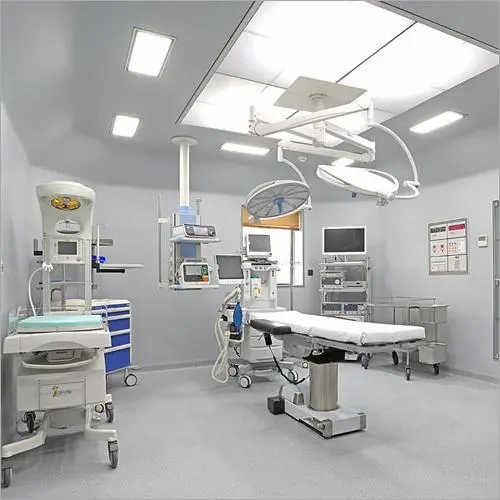
Dedicated Surgical Environments for Planned and Emergency Procedures
Surgical care requires careful planning, coordination, and an appropriate clinical environment. At Medigram Super Speciality Hospital, Saharanpur, modular operation theatres provide dedicated spaces for surgical procedures, supporting the work of surgeons, anaesthesiologists, nursing professionals, and other members of the healthcare team.
The hospital has four modular operation theatres designed to support planned and emergency surgical procedures. The clinical team coordinates care according to the patient’s condition, the procedure being performed, and the medical support required.
An operation theatre is an important part of the surgical care process. It provides a designated environment where the surgical team can prepare for procedures, follow appropriate infection-prevention practices, and work together to support patient safety throughout surgery.
What Are Modular Operation Theatres?
Modular operation theatres are specially designed surgical environments that incorporate organised layouts and dedicated infrastructure to support surgical activities. Their design aims to provide a controlled setting in which healthcare professionals can carry out procedures according to established clinical protocols.
The operation theatre environment supports several aspects of surgical care, including patient preparation, coordination among surgical staff, management of surgical instruments, and adherence to hygiene and infection-prevention practices.
The specific equipment and technical arrangements within an operation theatre depend on the facility and the type of procedures performed. The surgical team determines the appropriate arrangements based on the patient’s clinical needs and the requirements of the planned procedure.
Modular Operation Theatres at Medigram Hospital
Medigram Super Speciality Hospital has four modular operation theatres supporting its surgical services in Saharanpur. These dedicated environments are used for surgical care coordinated by the relevant clinical and anaesthesia teams.
The operation theatre team works together to prepare for procedures, review relevant clinical information, and coordinate the patient’s care before, during, and after surgery.
The type of procedure, the patient’s medical condition, and the resources required determine the arrangements made for each surgical case. Planned procedures are organised according to the treating doctor’s recommendations, while urgent cases are assessed and managed according to clinical priority.
Surgical Services and Clinical Coordination
Surgical treatment involves several stages, from the initial consultation to preparation, the procedure itself, and recovery. Effective coordination between the relevant healthcare professionals is important throughout this process.
1. Preoperative Assessment
Before a planned procedure, the treating doctor evaluates the patient’s condition and discusses the proposed treatment. Depending on the type of surgery, this may include reviewing the patient’s medical history, current medications, allergies, previous investigations, and any relevant existing health conditions.
Additional tests or consultations may be recommended when clinically necessary. The anaesthesia team may also assess the patient to determine the appropriate anaesthesia plan and identify factors that need attention before surgery.
Patients should discuss any concerns with their treating doctor and follow the instructions provided before admission or the procedure.
2. Anaesthesia and Surgical Preparation
Anaesthesia is an important component of many surgical procedures. The appropriate approach depends on the procedure, the patient’s health, and the assessment conducted by the anaesthesia team.
Before surgery, the relevant professionals coordinate the preparation process, confirm important clinical information, and follow the protocols applicable to the procedure.
Patients should disclose all medications they take, known allergies, previous reactions to anaesthesia, and other relevant medical information. They should also follow the instructions given about fasting and medication use.
3. Care During Surgery
During a surgical procedure, the surgeon and supporting clinical professionals work together according to the planned treatment and the patient’s needs.
The operation theatre provides a dedicated environment for the surgical team to carry out the procedure while following relevant clinical, hygiene, and safety protocols.
The personnel involved and the monitoring required vary depending on the type of surgery and the patient’s condition. The treating team determines the appropriate arrangements for each case.
4. Postoperative Recovery
Following surgery, patients are assessed and monitored according to the procedure performed, the anaesthesia used, and their clinical condition.
Depending on the circumstances, recovery may involve observation in a designated recovery area, transfer to a hospital ward, or admission to a higher level of care when medically required.
The treating team provides instructions regarding medication, wound care, activity, follow-up appointments, and signs or symptoms that require medical attention.
Infection Prevention and Surgical Safety
Maintaining appropriate hygiene and infection-prevention practices is an important part of surgical care. Operation theatre teams follow relevant protocols for preparing the surgical environment, handling instruments, and supporting safe clinical practice.
Patients can also contribute to a safer surgical process by sharing accurate medical information and following the preparation instructions provided by their healthcare professionals.
It is important to understand that every surgical procedure carries potential risks. These depend on the nature of the operation, the patient’s health, and other individual factors. The treating surgeon and anaesthesia team can explain the expected benefits, possible complications, alternatives, and recovery requirements before the procedure.
Planned and Emergency Surgical Procedures
Surgical treatment may be scheduled in advance or become necessary following an urgent medical event. Planned surgery allows the clinical team to arrange assessments, review investigations, and prepare the patient according to the procedure.
Emergency surgery may be considered when a patient’s condition requires urgent surgical evaluation or intervention. In such situations, the medical team assesses the urgency of the condition and coordinates the appropriate care.
The decision to proceed with surgery, the timing of the procedure, and the clinical arrangements depend on the patient’s condition and the treating team’s judgement.
Preparing for Your Surgery
If your doctor has recommended surgery at Medigram Hospital, follow the instructions provided by the treating team. Preparation requirements differ depending on the procedure and your medical history.
Before your admission or operation, remember to:
- Carry relevant medical reports and investigation results.
- Inform your doctor about existing medical conditions and known allergies.
- Provide an accurate list of your current medications.
- Follow the fasting and medication instructions provided by your clinical team.
- Ask questions about the procedure, anaesthesia, recovery, and follow-up care.
- Arrange for a family member or attendant when advised by the hospital.
Do not stop prescribed medication or change your treatment routine without guidance from your doctor.
Modular Operation Theatres at Medigram Super Speciality Hospital, Saharanpur
Medigram Super Speciality Hospital provides dedicated modular operation theatres to support its surgical services. With four modular operation theatres listed among its hospital facilities, the hospital supports planned and emergency procedures through coordination between the relevant surgical, anaesthesia, and clinical teams.
Located on Delhi Road in Saharanpur, Medigram Hospital offers surgical services across relevant specialties. The type of procedure and the care arrangements depend on the patient’s medical needs and the assessment of the treating professionals.
Patients considering surgery should consult the relevant specialist to understand the recommended procedure, preparation requirements, and expected recovery process.
Contact Medigram Hospital
For information about surgical consultations, admission procedures, or hospital facilities, contact Medigram Super Speciality Hospital.
Address: 7th Km Milestone, Chunhati, Delhi Road, opposite Pinewood School, Saharanpur, Uttar Pradesh 247001.
Phone: +91 8477001904
Email: info@medigramhospital.com
Medigram Super Speciality Hospital — coordinated surgical care supported by dedicated operation theatre facilities.
Medical disclaimer: This page is intended for general information and does not replace professional medical advice, diagnosis, or treatment. The suitability of surgery and the associated clinical arrangements should be discussed with the treating medical team.