
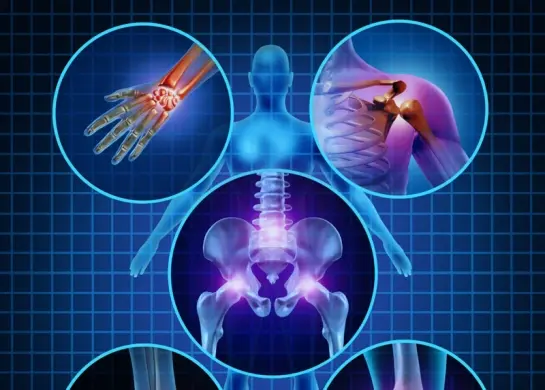
Low back pain is a common health concern that can affect mobility, daily activities, work, and quality of life. It may develop because of muscle strain, changes in the spinal discs, facet joint problems, nerve irritation, or other underlying conditions. While many cases improve with appropriate conservative treatment, persistent or recurring pain may require further assessment.
Interventional pain management is a specialized approach that uses targeted procedures to help diagnose or relieve pain in selected patients. At Medigram Hospital, the treatment approach should begin with understanding the likely cause of pain and selecting appropriate care based on the patient’s symptoms, examination, and medical history.
What Is Interventional Pain Management?
Interventional pain management involves procedures designed to target specific nerves, joints, or other structures that may contribute to pain. Depending on the condition, these procedures may include selected injections, nerve blocks, or radiofrequency treatments.
The aim is to help reduce pain, improve movement, and support a return to daily activities. Interventional procedures are not necessary for every patient. A pain specialist evaluates whether a procedure is suitable and discusses its potential benefits, limitations, and risks.
Conditions That May Benefit from Pain Management
Depending on the diagnosis and clinical assessment, pain management services may help patients with a range of pain conditions, including:
- Low back pain: Pain affecting the lower part of the back.
- Abdominal and pelvic pain: Persistent pain that may require assessment for underlying gastrointestinal, urinary, gynaecological, or nerve-related causes.
- Neck and upper back pain: Pain that may be associated with muscles, joints, discs, or nerves.
- Headaches and migraines: Conditions that may require a specific headache assessment and individualized treatment.
- Facial pain: Pain that may be associated with nerve irritation or other facial conditions.
- Heel and knee pain: Pain that may arise from joint, tendon, ligament, or other musculoskeletal problems.
- Shoulder, elbow, and hand pain: Symptoms that may result from injuries, joint conditions, or nerve compression.
- Neuropathic pain and neuralgias: Pain associated with affected nerves.
- Sports-related injuries: Pain following physical activity or injury.
- Pain after stroke: Pain that may develop following a stroke and requires appropriate evaluation.
- Phantom limb pain: Pain perceived in a limb that has been amputated.
- Persistent postsurgical pain: Pain that continues after an operation and needs assessment for possible causes.
- Causalgia: A term historically used for severe burning pain associated with nerve injury, often accompanied by changes in skin sensitivity or other symptoms.
The most appropriate treatment depends on the underlying condition. A specialist may recommend medication, physiotherapy, rehabilitation, further investigations, an interventional procedure, or a combination of approaches.
Understanding the Causes of Low Back Pain
The lower back is a complex structure made up of bones, joints, intervertebral discs, ligaments, muscles, and nerves. These structures work together to support the body, maintain posture, and allow movement.
Pain can develop when one or more of these structures becomes strained, irritated, injured, or affected by disease. A careful medical history and physical examination help a clinician identify possible causes. X-rays, CT scans, MRI scans, or other tests may be recommended when clinically appropriate.
1. Slipped Disc or Disc Prolapse
A slipped disc, also called a herniated or prolapsed disc, occurs when material from an intervertebral disc bulges or moves beyond its usual boundary. If it irritates or compresses a nearby nerve, a person may experience lower back pain and pain radiating into the buttock, thigh, calf, or foot.
This radiating pain is commonly referred to as sciatica when it follows the sciatic nerve distribution. Treatment depends on symptom severity, examination findings, and whether there are signs of nerve involvement.
2. Facet Joint Pain
Facet joints are small joints at the back of the spine that help guide and control movement. These joints can become a source of pain in some people.
Facet-related pain may be felt on one or both sides of the back and can worsen with certain movements or changes in posture. Symptoms alone cannot confirm the diagnosis; clinical assessment is needed.
3. Spondylosis
Spondylosis refers to age-related or degenerative changes affecting parts of the spine, such as the discs and joints. Some people experience stiffness or discomfort, while others have no symptoms.
The presence of spondylosis on an X-ray or MRI does not automatically mean that it is the cause of the patient’s pain. The imaging findings need to be considered alongside symptoms and examination results.
4. Spondylolisthesis
Spondylolisthesis occurs when one vertebra slips forward or backward relative to the vertebra below it. Depending on its severity and whether nerves are affected, it may cause back pain, stiffness, or pain radiating into the legs.
A clinician may recommend imaging to assess the condition and guide treatment.
5. Lumbar Spinal Canal Stenosis
Lumbar spinal canal stenosis refers to narrowing of the space available for nerves in the lower spine. Some people experience pain, heaviness, numbness, or weakness in the legs, particularly while standing or walking. Symptoms may improve when sitting or bending forward.
Treatment depends on the severity of symptoms and the degree of nerve involvement.
6. Muscular Pain and Muscle Strain
Muscle strain, prolonged static posture, repetitive movements, and physical overexertion can contribute to lower back pain. Symptoms may include localized discomfort, tenderness, stiffness, or difficulty moving comfortably.
Appropriate activity modification, guided exercises, and physiotherapy may help many patients recover.
How Lifestyle and Posture Can Affect Back Pain
The spine supports the upper body while allowing bending, turning, and other movements. The muscles of the back, abdomen, hips, and legs work together to maintain balance and control movement.
Long periods of sitting, limited physical activity, repetitive lifting, and poor workstation ergonomics may contribute to discomfort in some people. However, back pain can occur even in people who exercise regularly or maintain good posture.
Helpful habits may include:
- Taking regular movement breaks during prolonged sitting.
- Adjusting the chair, desk, and screen to support a comfortable working position.
- Building physical activity gradually according to individual ability.
- Following a suitable exercise or physiotherapy programme when recommended.
- Using appropriate lifting techniques and avoiding sudden, excessive strain.
- Seeking medical advice when pain persists, worsens, or affects daily activities.
Back pain does not always indicate serious damage. The cause and severity vary, so assessment should guide treatment rather than assumptions about posture or lifestyle alone.
Interventional Pain Management Treatments for Low Back Pain
When symptoms persist despite suitable initial treatment, a specialist may consider targeted procedures if the clinical assessment identifies a possible pain source.
1. Transforaminal Epidural Steroid Injection
A transforaminal epidural steroid injection delivers medication near a spinal nerve root as it exits the spine. It may be considered for selected patients with nerve-root irritation, including some cases of radiating leg pain.
The expected benefit varies according to the diagnosis and individual response. The procedure also has potential risks, which should be discussed with the treating specialist.
2. Facet Joint Injection
Facet joint injections deliver medication into or around a facet joint, depending on the specific procedure. They may be considered when assessment suggests that these joints could be contributing to pain.
In selected cases, diagnostic injections may also help clinicians evaluate whether a particular structure is a likely pain source.
3. Trigger Point Injection
Trigger points are sensitive areas within muscles that may be associated with localized pain. A trigger point injection may be considered in selected patients when examination identifies a relevant muscular pain source.
The need for an injection depends on the patient’s condition and response to other treatment approaches.
4. Radiofrequency Ablation of the Medial Branch Nerves
Medial branch nerves carry pain signals from the facet joints. Radiofrequency ablation uses controlled heat to interrupt pain signalling through targeted nerves in carefully selected patients.
It may be considered for certain types of facet-mediated back pain after appropriate evaluation. Relief is not guaranteed and may be temporary; further treatment may be needed depending on the patient’s response.
5. Other Targeted Procedures
Some centres offer additional procedures for selected spinal conditions. The suitability of any procedure depends on the diagnosis, supporting evidence, available expertise, and the patient’s overall health.
Patients should ask their treating specialist about the purpose of a proposed procedure, alternative treatments, expected duration of benefit, and possible complications.
Can Interventional Pain Management Help Avoid Surgery?
Some patients with back pain may improve with non-surgical treatment, which can include appropriate medication, physiotherapy, exercise, and selected interventional procedures. In certain cases, symptom relief may help a patient participate more effectively in rehabilitation or postpone a decision about surgery.
However, injections and other pain procedures do not correct every underlying spinal problem and cannot guarantee that surgery will be avoided. Surgical assessment may be necessary when there is significant nerve compression, progressive neurological weakness, or another condition that requires surgical treatment.
Seek urgent medical attention if back pain is accompanied by new difficulty passing urine, loss of bladder or bowel control, numbness around the groin or saddle area, or rapidly worsening leg weakness.
A Personalized Approach to Pain Management at Medigram Hospital
Effective pain management starts with identifying the likely source of symptoms and understanding how pain affects the patient’s daily life. Depending on the clinical findings, a treatment plan may include conservative care, rehabilitation, medication review, further investigations, or an appropriate interventional procedure.
The goal is to help reduce pain, improve function, and support a better quality of life while considering the benefits and risks of each treatment option.
If you are experiencing persistent or recurring back pain, consult a qualified healthcare professional for an assessment and advice suited to your condition.
About the Author
Dr Varsha Agarwal