
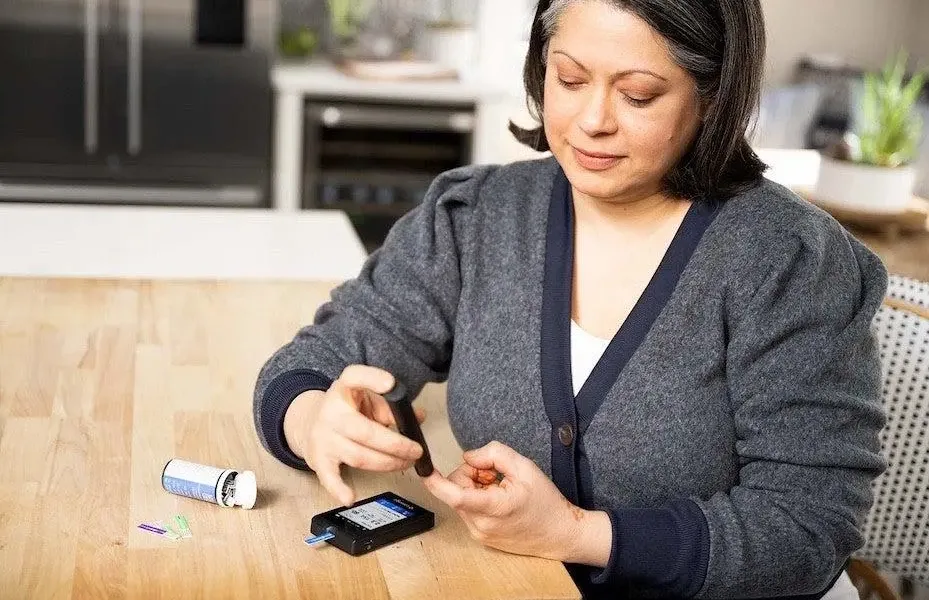
Take a Proactive Step Towards Better Diabetes Management
Diabetes is a long-term health condition that affects how the body regulates blood glucose, also known as blood sugar. Early detection and regular monitoring can help individuals understand their glucose levels and discuss appropriate healthcare decisions with a qualified medical professional.
At Medigram Super Speciality Hospital, Saharanpur, the Diabetes Screening Package is designed for people who need diabetes screening or monitoring as advised by their doctor. The suggested assessments include fasting blood glucose, HbA1c, kidney function tests, and urine examination. These tests provide different types of information that may help a doctor evaluate blood glucose levels and certain aspects of kidney health.
Whether you have been advised to undergo diabetes screening for the first time or need follow-up testing for an existing condition, the appropriate investigations should be selected according to your medical history, symptoms, risk factors, and the advice of your treating doctor.
What Is a Diabetes Screening Package?
A Diabetes Screening Package is a set of suggested investigations used to assess blood glucose and related health indicators. Diabetes screening may help identify elevated glucose levels in people who have not previously been diagnosed, while monitoring tests can help doctors review an existing diagnosis and plan follow-up care.
Diabetes can develop without obvious symptoms in some individuals. Others may experience increased thirst, frequent urination, unusual tiredness, blurred vision, or unexplained changes in weight. These symptoms can have several causes, so medical assessment is important rather than relying on symptoms alone.
A doctor can advise whether diabetes testing is appropriate based on factors such as age, family history, weight, medical history, previous test results, and other risk factors.
Suggested Tests in the Diabetes Screening Package
The following tests are suggested for this package. The final investigations required for an individual patient depend on medical advice and the package details confirmed by the hospital.
1. Fasting Blood Glucose
Fasting blood glucose measures the amount of glucose in the blood after a period without food or caloric drinks, as instructed by the healthcare provider. It is commonly used to assess blood sugar levels and may help identify possible diabetes or prediabetes.
The result provides information about glucose levels at the time of testing. A doctor will interpret the result using established clinical criteria and the patient’s overall health information. In some cases, an abnormal result may need confirmation through repeat testing or another appropriate investigation.
Preparation: Follow the hospital’s instructions regarding fasting duration, water intake, and regular medicines. Do not stop prescribed medication unless your doctor advises you to do so.
2. HbA1c Test
The HbA1c test measures the percentage of haemoglobin in the blood that has glucose attached to it. It provides an estimate of average blood glucose over approximately the previous two to three months.
Unlike a fasting blood glucose test, HbA1c generally does not require fasting. However, certain conditions, including some forms of anaemia and disorders affecting red blood cells, can influence its interpretation. Your doctor will determine whether the result accurately reflects your glucose status and whether additional testing is required.
For people already diagnosed with diabetes, HbA1c may also be used as part of ongoing monitoring. The appropriate testing frequency and individual treatment targets should be decided by the treating doctor.
3. Kidney Function Tests
Diabetes can affect the kidneys over time, particularly when blood glucose levels remain elevated. Kidney function tests help doctors assess how well the kidneys are working and whether further evaluation may be needed.
The specific tests included under kidney function assessment can vary. Depending on the investigations ordered, results may provide information about substances such as creatinine and other indicators of kidney function.
The exact tests included in this package should be confirmed with Medigram Hospital before booking. Your doctor will interpret the findings in the context of your medical history, existing conditions, medicines, and other relevant results.
4. Urine Examination
A urine examination can provide information about selected aspects of urinary and kidney health. Depending on the type of examination performed, it may help identify certain abnormalities that require further assessment.
In people with diabetes or those being evaluated for possible diabetes, a doctor may recommend specific urine tests as part of a broader health assessment. A routine urine examination is not the same as a urine albumin-to-creatinine ratio (UACR), which may be used to assess albumin in the urine and help evaluate kidney risk in people with diabetes.
Important: Confirm which type of urine examination is included in the package. Additional urine tests should only be considered included if the hospital specifically confirms them.
Who May Need Diabetes Screening?
Diabetes screening may be appropriate for people with recognised risk factors or those advised by their healthcare professional to undergo testing. Your doctor may recommend screening or monitoring if you:
- Have a family history of diabetes.
- Have previously recorded elevated blood glucose levels.
- Have been advised to undergo routine diabetes screening.
- Have risk factors associated with type 2 diabetes.
- Have already been diagnosed with diabetes and need follow-up tests.
- Require assessment of blood glucose and related kidney health indicators.
The need for testing depends on individual circumstances. Not everyone requires the same tests or the same frequency of monitoring. Consult a qualified medical professional to determine the most suitable assessment for you.
Why Is Regular Diabetes Monitoring Important?
For people living with diabetes, monitoring can help the treating team understand changes in blood glucose control and identify issues that may need further attention. Depending on the patient’s condition, the doctor may review glucose measurements, HbA1c results, kidney function, urine findings, medication use, and other relevant health information.
Regular follow-up can also provide an opportunity to discuss nutrition, physical activity, medicines, and other aspects of diabetes management. Test results should not be interpreted in isolation, and treatment should not be changed without appropriate medical guidance.
A diabetes screening package is one part of healthcare assessment. It does not replace a consultation, a complete clinical evaluation, or any additional tests recommended by the treating doctor.
How to Prepare for Your Diabetes Screening Tests
Before visiting Medigram Super Speciality Hospital, consider the following steps to help make your appointment smoother:
- Carry previous blood glucose reports, HbA1c results, and relevant medical records.
- Inform your doctor about existing medical conditions and known allergies.
- Keep a list of your current medicines and supplements.
- Follow the hospital’s instructions about fasting before blood collection.
- Ask whether any specific preparation is needed for the kidney function tests or urine examination.
- Confirm the package price, exact test inclusions, appointment requirements, and expected reporting time.
If you already take diabetes medication or insulin, ask your treating doctor for instructions about medication and meals before fasting tests. Do not independently change your treatment routine.
Diabetes Screening at Medigram Super Speciality Hospital, Saharanpur
Medigram Super Speciality Hospital provides patients with an opportunity to discuss their screening and monitoring needs with a healthcare professional. If you have been advised to undergo diabetes-related investigations, contact the hospital to confirm the available tests and determine how to arrange your assessment.
Hospital: Medigram Super Speciality Hospital
Location: 7th KM Milestone, opposite Pinewood School, Chunheti, Delhi Road, Saharanpur, Uttar Pradesh 247001
Appointment Number: +91-8477001904
You can also use the online appointment booking service
Book Your Diabetes Screening Appointment
Understanding your blood glucose levels and related health indicators can help you and your doctor make informed decisions about your healthcare. If you need diabetes screening or monitoring, speak with a qualified medical professional about the tests appropriate for your circumstances.
Contact Medigram Super Speciality Hospital, Saharanpur, to enquire about the Diabetes Screening Package, confirm its price and included investigations, and arrange an appointment.
Medical disclaimer: This package is intended for screening or monitoring as advised by a doctor. Test results alone do not establish every diagnosis, and additional evaluation may be necessary. The final tests and follow-up plan should be determined by a qualified healthcare professional. Package availability, charges, preparation requirements, and exact test inclusions should be confirmed with the hospital before booking.