
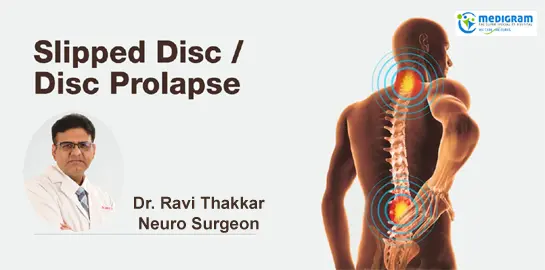
A slip disc, also known as a herniated disc or disc prolapse, is a condition in which the soft inner material of a spinal disc pushes through a weakened or damaged outer layer. Depending on its location and severity, it may cause back or neck pain, numbness, tingling, or pain that travels into the arms or legs.
Understanding the causes, symptoms, and available treatment options can help patients recognise the condition and seek appropriate medical care.
What Is an Intervertebral Disc?
Intervertebral discs are flexible, cushion-like structures located between the bones of the spine, called vertebrae. They help absorb shock, distribute pressure, and allow the spine to bend and move during everyday activities such as sitting, standing, walking, and lifting.
Each disc has a strong outer layer and a softer, gel-like centre. Intervertebral discs have a limited direct blood supply, and much of their nutrition reaches them through surrounding tissues.
What Is a Slip Disc or Disc Prolapse?
A slip disc occurs when part of the soft inner material of an intervertebral disc protrudes through a weakened or damaged outer layer. This condition is also called a herniated disc or disc prolapse.
A herniated disc can develop in different parts of the spine:
- Cervical disc prolapse: Occurs in the neck and may cause neck pain or symptoms in the shoulders, arms, or hands.
- Lumbar disc prolapse: Occurs in the lower back and may cause back pain or symptoms travelling into the buttocks and legs.
Not every herniated disc causes symptoms. Problems can occur when the protruding material irritates or compresses nearby nerves.
What Causes a Slip Disc?
Several factors may contribute to disc prolapse, including:
1. Age-Related Changes
As people age, spinal discs gradually lose some of their water content and flexibility. This can make them more susceptible to damage and herniation.
2. Injury or Trauma
An injury to the spine may damage a disc and contribute to disc prolapse.
3. Heavy Lifting
Lifting heavy objects, particularly with poor technique or sudden twisting movements, may place additional stress on the spine.
4. Repeated Strain and Poor Movement Habits
Repeated bending, twisting, and physically demanding activities may increase stress on the spine. Prolonged sitting and poor movement habits can also contribute to back discomfort, although they do not necessarily cause a disc prolapse on their own.
How Can a Slip Disc Cause Pain?
A herniated disc can cause symptoms in two main ways:
- Nerve compression: The protruding disc material may press against a nearby spinal nerve.
- Nerve irritation: Inflammation around the affected nerve may contribute to pain and other symptoms.
When a lumbar disc affects a nerve supplying the leg, it may cause sciatica. A cervical disc prolapse may produce pain, tingling, or numbness that travels from the neck into the arm.
What Are the Symptoms of a Slip Disc?
Symptoms vary depending on the location of the affected disc and the extent of nerve involvement.
Common symptoms include:
- Lower back pain or neck pain.
- Pain that travels from the lower back into the buttock or leg.
- Pain that travels from the neck into the shoulder, arm, or hand.
- Numbness or tingling in an affected arm or leg.
- Muscle weakness in the affected limb.
- Difficulty with certain movements due to pain or weakness.
Some people have a disc prolapse without noticeable symptoms. However, new or worsening neurological symptoms require medical assessment.
Warning Signs That Need Emergency Medical Attention
A severe disc prolapse can sometimes compress the nerves at the lower end of the spinal canal, causing a condition known as cauda equina syndrome.
Seek emergency medical care if you develop any of the following symptoms:
- New difficulty passing urine or inability to urinate.
- Loss of bladder or bowel control.
- Numbness around the groin, genitals, or inner thighs.
- Severe or rapidly worsening weakness in one or both legs.
These symptoms can indicate serious nerve compression and require urgent assessment. Do not wait for a routine appointment or attempt to manage them at home.
How Is a Slip Disc Diagnosed?
Diagnosis generally involves a medical history review and physical examination. A doctor may assess pain patterns, muscle strength, sensation, reflexes, and movement.
MRI Scan
Magnetic resonance imaging (MRI) can provide detailed images of the spinal discs, nerves, and surrounding structures. It is particularly useful when symptoms suggest nerve compression, when neurological problems are present, or when the results may influence treatment decisions.
An MRI is not necessary for every episode of back or neck pain. Your doctor will determine whether imaging is appropriate based on your symptoms and examination findings.
What Are the Treatment Options for a Slip Disc?
Treatment depends on the severity of symptoms, the presence of nerve compression, the patient’s overall health, and relevant imaging findings.
1. Conservative Treatment
Many patients improve without surgery. Depending on the clinical assessment, treatment may include:
- Medicines: A doctor may recommend appropriate pain-relieving medication based on the patient’s medical history and symptoms.
- Physiotherapy and exercise: A tailored exercise programme may help improve mobility, strength, and function.
- Posture and movement training: Learning safer movement techniques and modifying activities may help reduce unnecessary strain.
- Activity modification: Temporarily adjusting activities that aggravate symptoms may support recovery.
Treatment should be individualised. There is no single recovery rate or treatment plan that applies to every patient.
2. Surgical Treatment
Surgery may be considered when symptoms remain severe despite appropriate non-surgical treatment, when significant neurological deficits develop, or when urgent nerve compression requires intervention.
One procedure used for selected cases is microdiscectomy.
During a microdiscectomy, the surgeon removes the portion of the herniated disc that is compressing the affected nerve. The aim is to relieve nerve pressure and improve associated symptoms.
Not every patient with a slip disc needs surgery. The decision depends on the clinical findings, symptom severity, response to treatment, and the risks and expected benefits of the procedure.
Conclusion
A slip disc or disc prolapse occurs when material from a spinal disc protrudes through its outer layer and may irritate or compress nearby nerves. Symptoms can range from back or neck pain to radiating pain, numbness, tingling, and muscle weakness.
Medical assessment helps determine the cause of symptoms and whether treatment, imaging, physiotherapy, or surgery may be appropriate. Early evaluation is especially important when neurological symptoms develop. Bladder or bowel changes, numbness around the groin, or rapidly worsening leg weakness require emergency medical attention.