
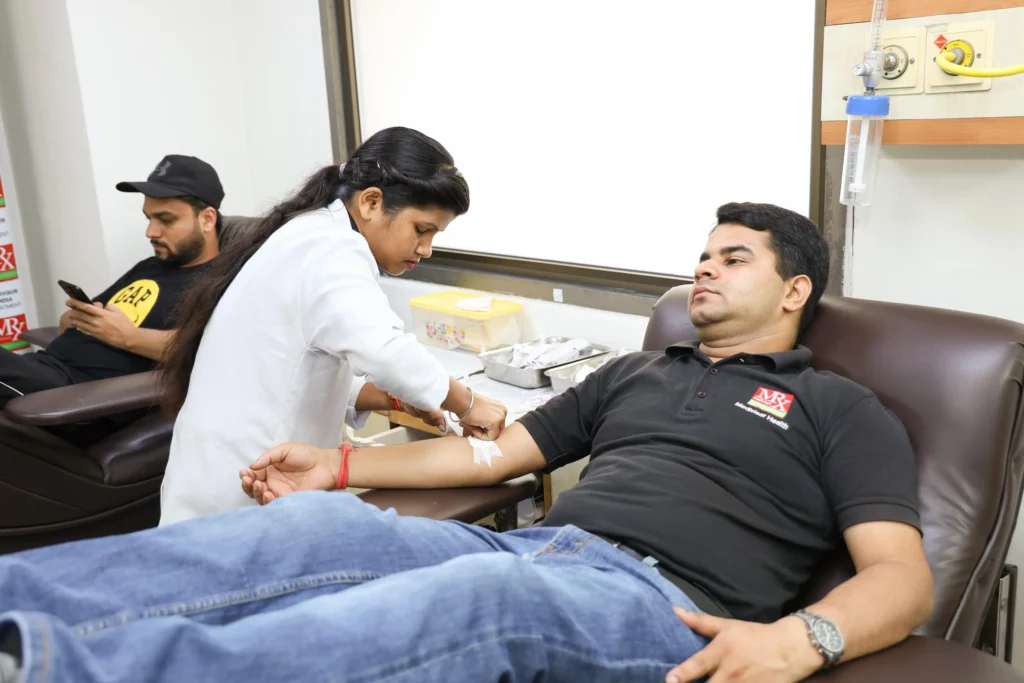
Every life is precious, and even a small act of kindness can make a meaningful difference to someone in need. Medigram Super Speciality Hospital believes in the importance of compassionate healthcare, community well-being, and awareness of initiatives that can help support patients during difficult times. Through awareness initiatives such as the Blood Donation Camp, the hospital encourages voluntary blood donation and promotes understanding of its role in healthcare.
Blood donation is an important contribution to community health. Donated blood and its components may be needed during medical emergencies, surgical procedures, and the treatment of certain serious illnesses. A safe and well-organised blood donation process helps ensure that donated blood can be handled appropriately for patients who need it.
The Blood Donation Camp in Saharanpur highlights the importance of voluntary participation, responsible donation practices, and community involvement. By encouraging people to learn about blood donation and its potential benefits for patients, Medigram Hospital aims to promote a culture of generosity, awareness, and support for those who require medical care.
Together, let us give the gift of life. Every drop counts!
About the Blood Donation Camp
Access to safe blood is an important part of healthcare. Patients may need blood or blood components for a range of medical reasons, including certain surgeries, serious injuries, complications related to childbirth, and illnesses that affect blood production or require specialised treatment.
Blood cannot always be replaced immediately when a patient needs it. Voluntary blood donation therefore plays an important role in helping maintain an adequate supply for eligible patients who require transfusions.
The Blood Donation Camp initiative encourages individuals to understand the value of voluntary donation and consider participating when they meet the applicable eligibility requirements.
Medigram Hospital’s stated aim is to promote community health, raise awareness about the life-saving importance of blood donation, and encourage people to contribute to society through responsible participation.
The specific date, venue, registration arrangements, and operational details of this camp should be confirmed directly with the hospital before attendance.
Why Is Blood Donation Important?
Blood and its components are used in different areas of medical care. Depending on a patient’s condition, a treating medical team may recommend a transfusion as part of emergency treatment, surgery, or the management of certain illnesses.
Blood donation can contribute to the availability of these essential resources for patients who need them.
1. Supporting Patients During Medical Emergencies
Some emergencies involve significant blood loss or other medical complications that may require blood transfusion. Access to suitable blood components can be an important part of the treatment provided by the medical team.
Voluntary blood donation helps support the wider healthcare system’s efforts to meet patient needs. However, the availability of a particular blood group or blood component depends on supply, compatibility, and clinical requirements.
2. Helping Patients Undergoing Surgery
Certain surgical procedures may require blood or blood components because of blood loss or other clinical considerations. The need for transfusion is determined by the treating healthcare team according to the patient’s condition and the procedure involved.
Donated blood can help support transfusion services when required. Appropriate testing, compatibility checks, and established safety procedures remain essential before blood is given to a patient.
3. Supporting Patients With Serious Illnesses
Some patients with serious illnesses, including conditions that affect blood cells or blood production, may require transfusions as part of their medical care.
The type and frequency of transfusion depend on the specific condition and the treating clinician’s recommendations. Voluntary donations can contribute to the supply of blood components needed for such treatment.
4. Encouraging Community Participation
Blood donation is an opportunity for eligible individuals to contribute to the well-being of others. Community awareness initiatives can help people understand how donation works, learn about safety requirements, and make informed decisions about participating.
A strong culture of voluntary donation depends on accurate information, responsible participation, and respect for donor safety.
Voluntary Blood Donation and Donor Safety
Safe blood donation begins with an appropriate donor assessment and follows established procedures for collection, handling, testing, and use.
People considering donation should understand that not everyone is eligible to donate at every point in time. Eligibility depends on factors assessed under applicable blood donation guidelines, including health status, medical history, haemoglobin level where required, and other relevant criteria.
The donation team should determine eligibility before collection. Individuals should answer screening questions honestly and disclose relevant medical information so that the process can be carried out responsibly.
Important principles of safe donation include:
- Voluntary participation: Donation should be a personal, informed decision without pressure.
- Donor assessment: Eligibility should be determined by appropriately qualified personnel using applicable guidelines.
- Hygiene and safety: Blood collection should take place through an authorised service using appropriate sterile, single-use collection equipment.
- Proper blood handling: Donated blood must be handled, tested, stored, and issued according to applicable standards.
- Post-donation guidance: Donors should follow the collection team’s instructions about rest, refreshments where provided, hydration, and returning to normal activities.
The precise arrangements and responsible blood collection organisation for the Medigram Hospital camp should be confirmed before the event is promoted as an operational blood collection service.
Who Can Donate Blood?
Blood donation eligibility is determined by applicable guidelines and an assessment of the prospective donor’s health and medical history. Requirements can include minimum age, weight, haemoglobin level, general health, and other criteria.
People who wish to donate should not rely on general information alone to determine their eligibility. The authorised donation team should assess each person according to the relevant requirements.
Before attending, prospective donors should ask the organising team about:
- Current age and weight requirements.
- Health conditions or medications that may affect eligibility.
- Temporary restrictions following an illness, procedure, vaccination, or travel, where applicable.
- Any documents or information required during registration.
- Instructions about food, hydration, and preparation before donation.
Do not stop prescribed medication or change medical treatment in order to qualify as a donor. If you have a medical condition or are uncertain about your eligibility, seek guidance from an appropriately qualified healthcare professional or the authorised donation team.
What to Expect During a Blood Donation Camp
The exact arrangements may vary depending on the event organiser and the authorised blood collection service involved. Where a camp includes blood collection, the process generally follows established donor safety procedures.
Step 1: Registration and Initial Assessment
Prospective donors may be asked to provide relevant personal details and answer questions about their health and medical history. This information helps the donation team assess eligibility.
Step 2: Donor Eligibility Checks
Appropriately qualified personnel carry out the required checks under applicable guidelines. A person may be deferred from donating if the assessment indicates that donation is not suitable at that time.
Step 3: Blood Collection
Eligible donors who choose to proceed undergo blood collection using appropriate sterile equipment and established procedures. The authorised collection team should explain the process and provide relevant instructions.
Step 4: Recovery and Aftercare
After donation, donors should follow the collection team’s advice about rest, hydration, food where provided, and when to resume normal activities. Anyone who feels unwell should inform the donation staff immediately.
These steps describe a general donation process and should not be interpreted as confirmation that every activity will be provided at the specific Medigram Hospital event. Confirm the actual arrangements with the hospital before attending.
Preparing for Blood Donation
People considering donating blood can take a few sensible steps to prepare, subject to the instructions provided by the authorised donation team.
- Get adequate rest before attending.
- Eat appropriate meals and maintain hydration, following the organiser’s instructions.
- Carry any identification or documentation requested by the camp organiser.
- Provide accurate information about medical conditions, medicines, and recent health concerns.
- Follow the donation team’s advice before, during, and after collection.
Do not donate if you feel unwell or have concerns about your health without first discussing them with the donation team. Donor safety is an essential part of responsible blood donation.
Medigram Hospital’s Commitment to Community Well-Being
Medigram Hospital recognises that healthcare extends beyond individual consultations and treatment. Community awareness can help people understand health-related needs, make informed decisions, and identify practical ways to support others.
Through initiatives such as the Blood Donation Camp, the hospital encourages voluntary blood donation and awareness of its importance for patients requiring medical care.
The message behind Every Drop Counts is a reminder that community participation can contribute to a shared healthcare need. Responsible donation, accurate information, and appropriate safety procedures are essential to ensuring that the process protects donors and supports patients.
Frequently Asked Questions
1. Why is blood donation important?
Donated blood and blood components may be needed for medical emergencies, surgeries, and the treatment of certain serious illnesses. Voluntary donation helps support the availability of these resources for eligible patients.
2. Can everyone donate blood?
No. Donors must meet applicable eligibility criteria, and their suitability is assessed by the authorised donation team. Age, weight, health status, medical history, and other factors may affect eligibility.
3. Is blood donation safe?
Blood donation can generally be carried out safely when donors are appropriately assessed and the collection process follows established safety standards. Donors should follow the instructions of qualified collection personnel and report any discomfort.
4. How should I prepare for a blood donation camp?
Follow the organiser’s instructions about meals, hydration, documents, and eligibility. Disclose relevant medical information and do not stop prescribed medicines without medical advice.
5. When and where will the Medigram Hospital Blood Donation Camp take place?
The supplied event information does not specify the date, timings, venue arrangements, or registration process. Contact Medigram Super Speciality Hospital to confirm the latest event details before attending.
6. Does the camp provide blood collection directly?
The available description confirms an initiative promoting voluntary blood donation and awareness, but it does not identify the authorised blood collection organisation or confirm the operational arrangements. Contact the hospital to verify whether blood collection will take place at this event.
Join the Effort – Every Drop Counts
Voluntary blood donation is a meaningful way for eligible individuals to support patients who may need blood or blood components during medical care. By learning about the process, understanding eligibility requirements, and following established safety practices, community members can make informed decisions about participating.
Medigram Super Speciality Hospital encourages awareness, compassion, and responsible community involvement through initiatives that support healthcare and well-being.
Contact the hospital to confirm the Blood Donation Camp schedule, registration details, eligibility requirements, and the arrangements for donation.
Together, let us give the gift of life. Every drop counts!